
You check your voicemail Monday morning and find 14 messages from overnight. Water is pouring through ceilings across your service area. Your phone keeps ringing while you try to return calls. By noon, you've booked six jobs, but you know at least eight of those homeowners called someone else who answered first.
This is what freeze season looks like when you're reacting instead of preparing. The plumbing shops that capture the most emergency revenue during cold snaps aren't necessarily the biggest or best-funded. They're the ones who built their freeze season call plan in October, not January.
A freeze season call plan coordinates your after-hours answering, dispatch prioritization, marketing budget, and customer follow-up into one system that captures emergency demand when it surges. When State Farm paid more than $628 million on over 20,000 frozen pipe claims from January 2024 through June 2025, homeowners weren't comparison shopping. They were calling until someone picked up. This article walks you through how to be that someone.
Key takeaways
- Freeze season is won in October, not January. Build your 24/7 answering, test your on-call rotation, and prepare your marketing before the first cold snap hits. By the time pipes are bursting, it's too late to set up systems.
- Fast answers help capture emergency jobs. When water is pouring through a ceiling at 2 AM, homeowners need immediate assistance and may contact multiple plumbers until someone responds. Unanswered calls go to competitors.
- Demand peaks the day after the freeze, not during it. Industry data shows that plumbing emergencies predictably follow temperature drops, with calls surging in the 24-36 hours after a hard freeze. Staff for that window.
- Marketing budgets must flex with weather, not calendar months. Raise ad spend when the forecast shows a freeze coming, size it to your crew's capacity, and pause same-day when you're booked out.
- The thaw is a conversion phase, not a rest phase. Every freeze customer just learned how expensive plumbing emergencies are. Follow up on unsold estimates, offer maintenance plans while memory is fresh, and request feedback to strengthen your reputation.
Why frozen pipes create the highest-pressure demand in plumbing
The financial stakes for homeowners
When temperatures drop below freezing, water expands inside pipes with enough force to split copper, burst PEX, and crack cast iron. A crack as small as 1/8 inch can release 250 gallons of water daily. That water doesn't stay contained. It soaks through drywall, warps flooring, and damages electrical systems.
The average frozen pipe claim exceeds $30,000. About one in 67 insured homes files a water damage or freezing claim each year. When a homeowner discovers water streaming through their ceiling at 11 PM, they're not worried about who has the best service history. They need someone who will answer the phone right now.
This urgency is what makes freeze season different from other busy periods. A clogged drain is inconvenient. A frozen pipe that bursts while the homeowner sleeps can cause five figures in damage before sunrise. Understanding this urgency shapes every part of your call plan.
Temperature thresholds that predict demand
Plumbing emergencies don't spike randomly during winter. They follow predictable temperature patterns that give you a preparation window.
Industry data shows that plumbing emergencies predictably follow temperature drops, with calls surging in the 24-36 hours after a hard freeze. Complaints barely increase until lows fall into the low 20s°F, but demand rises sharply as temperatures drop below 20°F. The critical finding: complaints peak the day after the first night below 15°F, not during the cold night itself. The spike persists for three to four days after the cold snap begins.
This pattern gives you actionable intelligence. When the National Weather Service issues a Freeze Watch forecasting lows below 20°F, you have 24 to 36 hours to prepare. When it forecasts lows below 15°F, prepare for the surge to hit the following morning and last through the week.
The four phases of freeze season
The most effective freeze season call plans break winter into four distinct phases, each requiring different operational moves. Shops that only think about the surge itself miss the preparation that determines who wins and the follow-through that compounds surge revenue into long-term growth.
Phase 1: Pre-season prep (September through October)
The freeze surge is decided before winter arrives. This is when you build the infrastructure that captures demand when it spikes.
1. Test your after-hours answering.
Call your own business line at 11 PM. Does it ring out? Hit a full voicemail box? Route to an on-call tech who doesn't call back within 15 minutes? Many home services calls go unanswered even during normal business hours. During a freeze surge, an untested after-hours system fails exactly when it matters most.
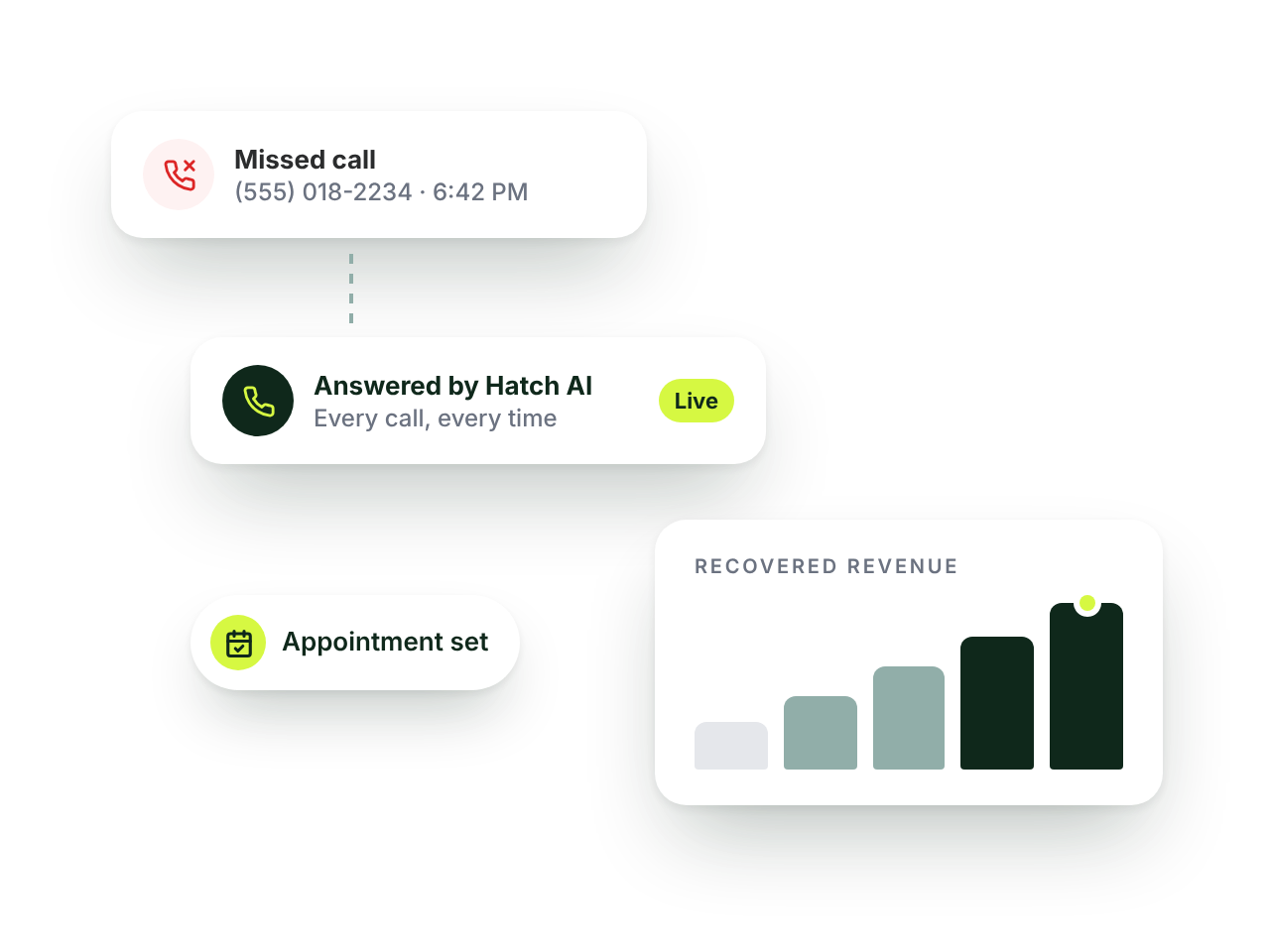
If your current setup relies on voicemail, recognize that very few callers pushed to voicemail actually leave a message. The rest call your competitor. For shops handling significant call volume, an AI communications platform that answers calls 24/7, texts back missed callers immediately, and categorizes emergencies can capture what voicemail loses.
2. Verify your on-call rotation.
The rotation that exists on paper but nobody tested is a classic fall preparation failure. Confirm each technician on the rotation knows they're scheduled. Verify their contact information works. Establish clear escalation rules: what happens if the on-call tech doesn't respond within five minutes?
3. Load your freeze-ready pricing guide.
Emergency jobs during freeze season often require different pricing than routine service calls. Set flat-rate pricing for common freeze scenarios: pipe thaw, burst pipe repair, water heater emergency service. Clear pricing eliminates dispatch delays and awkward conversations when homeowners are already stressed.
4. Prepare proactive customer communication.
Your past customers already trust you. Before the freeze hits, send a text or email with prevention tips: let faucets drip, open cabinet doors, know where the main shutoff is. Include your 24/7 contact information. This isn't just helpful advice. It's a reminder that you're available when they need you. Journey Builder can automate this outreach to your customer database before each forecasted cold snap.
5. Size your marketing budget to crew capacity.
Calculate how many additional emergency jobs your team can realistically handle per day during a surge. If you can handle six extra jobs daily, budget your advertising to generate roughly that many qualified calls, not 20 calls that send 14 people to competitors when you can't serve them.
Phase 2: The surge (first hard freeze)
When temperatures drop and pipes start freezing, your preparation gets tested. The goal during this phase is simple: capture every call, prioritize accurately, and be honest about capacity.
1. Answer or respond to every contact within seconds.
Fast answers help capture emergency plumbing jobs. During a freeze, homeowners with water pouring through ceilings don't leave voicemails and wait for callbacks. They hang up and dial the next number. Plumbing emergencies can happen at any hour, including evenings, weekends, and holidays. Without dependable after-hours coverage, your business risks missing urgent service requests from homeowners who need immediate assistance.
For shops without 24/7 staff, Voice AI can pick up immediately, ask prioritization questions, and route true emergencies to dispatch while booking non-urgent calls into next-day slots. This keeps callers engaged instead of hanging up for your competitor.
2. Prioritize by severity.
Not every freeze call is equally urgent. Active flooding where water is running requires immediate dispatch. A frozen pipe with no water flow is concerning but can wait until your next available slot. Train your answering staff or configure your AI to ask: "Is water actively running right now?" That single question separates the ceiling-is-caving-in emergencies from the my-kitchen-faucet-won't-turn-on situations.
3. Be honest about capacity.
The temptation when phones are ringing nonstop is to say "we'll be there in two hours" to every caller, then arrive eight hours later. This destroys your reputation and generates negative feedback. Instead, give honest time windows: "The freeze has us running at capacity. Your confirmed window is tomorrow between 8 AM and noon. If this becomes a flood before then, text me immediately and I'll escalate."
Homeowners facing minor issues will often accept a next-day window if you're upfront. Homeowners facing active emergencies will tell you, letting you prioritize correctly.
4. Dispatch on speed.
During the surge, every minute counts. Assign jobs immediately as techs complete their current calls. Keep routing tight to minimize drive time. Consider temporarily pausing non-emergency scheduled work if emergency demand is overwhelming your capacity.
5. Pause marketing when booked out.
If you're fully booked through tomorrow, lower your Google Ads and Local Services Ads budgets or pause them entirely. A freeze can go from quiet to overbooked in an afternoon. Running ads when you can't answer the calls wastes every dollar and creates frustrated homeowners who will remember that you didn't call back.
Phase 3: The grind (January through February)
The initial surge passes, but winter isn't over. This phase tests your follow-through more than your responsiveness. Shops often capture the surge but leak the value through unbilled work, unclosed estimates, and forgotten follow-up.
1. Follow up on unsold estimates.
During the chaos of the surge, you likely gave estimates for work that customers didn't immediately approve. Maybe they needed insurance to assess damage first. Maybe they wanted to think about repiping options. Most sales close on the fifth contact or later, but many salespeople quit after one follow-up.
Set up an automated sequence that reaches out via text and email at regular intervals: three days, one week, two weeks, one month. The message doesn't need to be aggressive. "Hi [Name], wanted to check in on the estimate we sent after the freeze. Any questions I can answer?" Messaging AI can handle this follow-up automatically, keeping conversations moving without adding to your team's workload.
2. Invoice same-day to protect cash flow.
Freeze season generates high revenue, but revenue isn't cash until the invoice is paid. Send invoices the day work is completed. Enable card-on-file payments so customers can pay immediately. The longer you wait to invoice, the longer payment takes, and the harder collections become.
3. Automate feedback requests.
Every customer you served during the freeze has fresh experience with your responsiveness. Send a feedback request within 24 to 48 hours of job completion. "Thanks for letting us help during the freeze. If we earned it, would you share your experience on Google?" A surge in positive feedback during January strengthens your reputation before spring competition intensifies.
4. Track which calls converted.
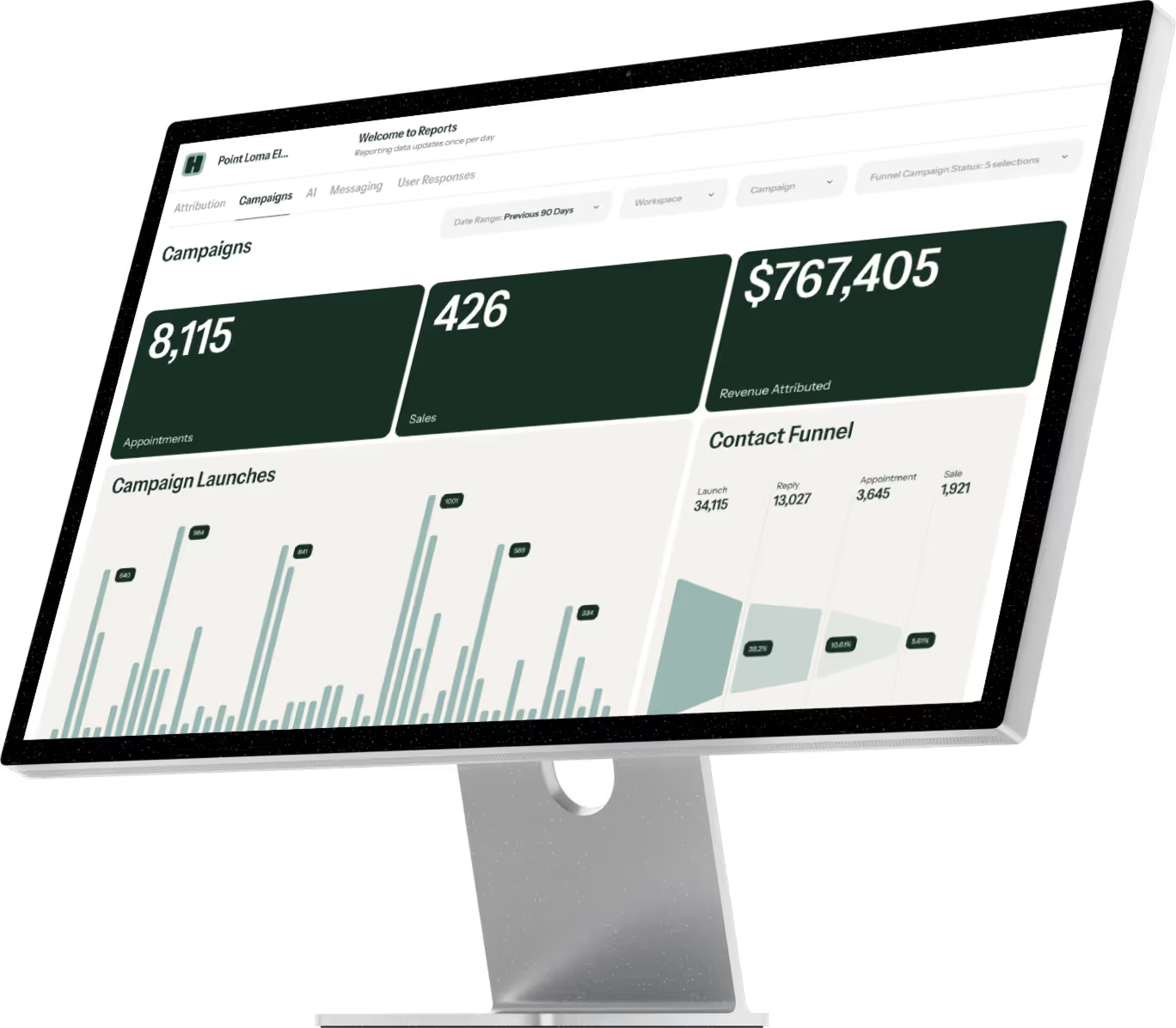
You can't improve what you don't measure. Study how many calls came in during the surge, how many converted to booked jobs, which sources generated the most revenue, and what time of day had the highest close rates. This data shapes next year's preparation.
Phase 4: The thaw (March through April)
Spring feels like time to relax, but the thaw is actually a conversion phase. Every customer who experienced a freeze emergency is primed for long-term engagement.
1. Convert freeze customers into maintenance members.
Your freeze customers just learned that plumbing emergencies are expensive, stressful, and urgent. This is the best moment to offer a maintenance plan that includes annual freeze-season inspections, water heater checks, and priority scheduling.
Two to three weeks after service, reach out: "Since you saw how fast a freeze can turn into a flood, want us to catch the next one first? Our maintenance plan includes an annual freeze-season checkup, plus priority scheduling if another emergency hits." Even a 20% conversion rate on freeze customers creates predictable recurring revenue.
2. Reactivate missed and unclosed leads.
Go back through your surge-period data. Which leads never responded to follow-up? Which estimates sat untouched? Run a reactivation campaign: "We helped a lot of neighbors during the freeze. Some repairs got put on hold. Still interested in [that repipe/water heater replacement/leak repair]?" Customers who were overwhelmed during the emergency may be ready now that life has calmed down.
3. Request feedback while memory is fresh.
If you haven't already automated feedback requests, do a final push. "We've helped [X] families recover from freeze damage this winter. If we earned your trust, would you share a quick note?" A strong reputation built during winter carries into spring when homeowners are planning renovations and searching for plumbers.
4. Debrief the numbers.
Before freeze season fades from memory, run a full debrief. How many emergency calls came in? What percentage converted to jobs? What was the average job value? Where did the best leads originate? What calls were missed? Where did prioritization break down?
This analysis shapes your October preparation. If you discovered that 30% of surge calls went unanswered after 8 PM, that's your cue to implement better after-hours coverage before next winter. If estimates closed poorly because follow-up didn't happen, that's your cue to automate follow-up automation before next season.
Common mistakes that cost plumbers freeze-season revenue
Relying on voicemail for after-hours calls
The math is stark. Plumbing emergencies can happen at any hour, including evenings, weekends, and holidays. Without dependable after-hours coverage, your business risks missing urgent service requests from homeowners who need immediate assistance. Very few callers pushed to voicemail leave a message. If your after-hours strategy is "check voicemail in the morning," you're handing a significant portion of your freeze-season opportunity to competitors.
For a small plumbing shop, missed calls can represent substantial lost revenue, especially when emergency jobs carry higher values than routine service appointments. During severe cold snaps, demand can rise quickly, making reliable answering and dispatch coverage particularly important.
Running flat marketing budgets through winter
Most shops set a monthly advertising budget in January and let it run unchanged until spring. But freeze-season demand doesn't follow a calendar. It follows weather.
If you're spending $150/day on Google Ads and a Freeze Watch is issued, you should raise that budget the day the watch is announced. If your schedule fills by Wednesday afternoon, pause or lower the budget immediately rather than paying for calls you can't serve. Then raise it again when a slot opens.
This requires paying attention to both the weather forecast and your capacity. The shops that integrate these two inputs capture more revenue at lower cost per acquisition.
Overpromising during the surge
When every call is urgent and the phone won't stop ringing, it's tempting to tell each caller whatever they want to hear. "We'll be there in an hour." "We can probably fit you in today." These promises, when unfulfilled, generate negative feedback that haunts your business for years.
Honest capacity messaging builds trust even when you can't immediately serve someone. "We're at capacity until tomorrow morning, but I've got you locked in for 8 AM. If it becomes a flood before then, call this number and we'll get you moved up." Customers respect honesty. They punish broken promises.
Neglecting follow-up after the rush
The freeze surge generates two kinds of revenue: the jobs you complete during the surge and the jobs that come from follow-up afterward. Most shops capture the first and forget the second.
Unsold estimates sitting in your system represent deferred revenue, not lost revenue, if you follow up consistently. Freeze customers who had a good experience represent potential maintenance plan members, referral sources, and future repair customers. The shop that stays in touch after the emergency captures all of this. The shop that goes silent loses it.
Practical preparation checklist
Use this checklist in September and October to prepare for freeze season:
Answering and response
- [ ] Test your after-hours line at 11 PM and verify response within 15 minutes
- [ ] Verify on-call rotation is current with working contact information
- [ ] Set up instant text-back for missed calls
- [ ] Create or review prioritization scripts (active flooding vs. frozen but contained)
- [ ] Ensure your answering system can handle volume spikes
Dispatch and operations
- [ ] Load flat-rate pricing for common freeze scenarios
- [ ] Study dispatch routing for efficient technician deployment
- [ ] Establish escalation rules for when on-call techs don't respond
- [ ] Create emergency job templates in your field service software
Marketing and communication
- [ ] Prepare freeze-warning campaign for past customers
- [ ] Set marketing budget rules (when to increase, when to pause)
- [ ] Update Google Business Profile special hours for 24/7 availability
- [ ] Prepare "frozen pipe emergency" ad copy in Google Ads (paused until needed)
Follow-up and conversion
- [ ] Set up automated estimate follow-up sequences
- [ ] Create feedback request automation for completed jobs
- [ ] Prepare maintenance plan offer for post-freeze outreach
- [ ] Document what you'll track to debrief after the season
How Hatch helps plumbers capture freeze-season revenue
During a freeze surge, every missed call or delayed follow-up can mean a lost job. Hatch's AI communications platform helps plumbing shops respond to emergencies, convert estimates, and stay connected with customers throughout the year.
Here's how Hatch supports each stage:
- Capture emergency calls 24/7: Voice AI answers incoming calls, qualifies urgent requests, books appointments based on your scheduling rules, and routes emergencies to your team when needed.
- Convert more estimates into jobs: Messaging AI handles text and email conversations, follows up on outstanding estimates, and sends appointment confirmations without adding to your office team's workload.
- Bring customers back after the freeze: Journey Builder automates seasonal outreach, from pre-freeze reminders to post-service maintenance offers and customer reactivation campaigns.
{{in-line-cta}}
Keep your team focused during peak demand
Hatch works alongside your dispatchers and customer service representatives (CSRs), handling routine communication while your team focuses on urgent jobs and conversations that need human attention.
For plumbing shops using ServiceTitan, Hatch also connects with existing scheduling workflows to book appointments and sync customer information without duplicate data entry.
The result is more consistent communication from the first emergency call to the next service opportunity, even when call volume spikes.
Make October your freeze-season deadline
Freeze season doesn't wait for you to get ready. The shops that capture the surge build their systems in fall, test them before the first cold snap, and refine them after each winter.
Start by testing your after-hours answering this week. Call your own line at 11 PM. If it rings to voicemail, that's your first priority. Then verify your on-call rotation, load your freeze pricing, and prepare your customer outreach. Each piece you put in place before November is one less crisis to manage in January.
The homeowners facing burst pipes at 3 AM don't care which plumber has the longest history or the fanciest website. They care which plumber answers the phone. Make sure that's you.