
Editor’s note: This guide provides illustrative price increase communication templates and practical recommendations for HVAC and plumbing businesses. The templates are intended to be adapted to each business's pricing, service commitments, customer agreements, and applicable communication requirements. Hatch is included as a solution for coordinating customer communications.
Your equipment costs have gone up. Labor costs climbed again. Insurance premiums didn't go down. You've absorbed what you can, and now you need to tell your customers that rates are changing.
Price increases are a normal part of running an HVAC or plumbing business. The challenge isn't whether to raise prices, it's how to communicate the change without damaging customer relationships you've spent years building. A planned communication approach solves problems before they start. When you decide what to say, when to say it, and how to handle predictable objections, your team stops dreading the conversation, customers feel respected through advance notice and transparent explanations, and you protect the relationships that sustain your business.
This guide provides ready-to-use templates for email, text, and phone conversations, along with the communication framework that makes price increase messages more likely to land well.
Key takeaways
- Use a four-part structure across all channels: Name the specific price change with both old and new numbers, give one real reason tied to your business costs, explain what the customer continues to receive, and offer choices like payment options or service tiers.
- Timing depends on your customer relationship: Aim for 2-4 weeks of notice for one-time service customers, 30-60 days for recurring customers, and 90 days for long-term contract customers, subject to existing agreements and applicable requirements.
- Don't apologize for necessary adjustments: Owning the increase with confident, transparent language builds more trust than excessive apologies, which can make the adjustment sound like a mistake. Following customer communication best practices helps maintain that trust.
- Multi-channel consistency matters: Your office staff, technicians, and any automated systems should deliver the same message about why prices changed and what customers receive for the new rate. A unified communications platform helps maintain consistency across channels.
Email templates for price increase announcements
Before using these templates: Customize them with your actual rates, effective dates, specific cost drivers, service commitments, and contract terms. Replace bracketed placeholders with information relevant to your business.
Email works well for formal announcements to your customer base, especially for maintenance contract customers and commercial accounts who expect written documentation.
Template 1: HVAC price increase email
Subject line: Your [Company Name] service rates starting [Date]
Hi [First Name],
I wanted to reach out personally about a change to our service rates taking effect [Date].
Starting [Date], our standard service call rate will move from $[Current] to $[New], and our hourly labor rate will adjust from $[Current] to $[New].
Why this change: [Specific reason, e.g., "Our primary parts distributor implemented a 14% price increase in January, and technician wages in our market have risen 11% over the past year as we work to retain our experienced team."]
What stays the same: You'll continue to receive the same priority scheduling, warranty coverage, and 24/7 emergency access you've always had. Our commitment to arriving on time, completing work correctly, and standing behind everything we do hasn't changed.
Your options:
- Any work already quoted remains at the quoted price through [Date]
- Schedule your seasonal tune-up before [Date] to lock in current rates
- Ask about our maintenance agreement, which stabilizes annual service costs
If you have questions, reply to this email or call me directly at [Phone]. I'm happy to discuss.
Thank you for trusting [Company Name] with your home comfort. We don't take that lightly.
[Your Name]
[Title]
[Company Name]
Template 2: Plumbing price increase email
Subject line: Update on [Company Name] rates
Hi [First Name],
I want to let you know about a rate adjustment at [Company Name] starting [Date].
Our service rates will increase by approximately [X]%. For most residential service calls, this means [specific example, e.g., "a diagnostic visit will be $115 instead of $105"].
The reason: [One specific driver, e.g., "Copper prices increased 23% this year, and our liability insurance premium went up 18% at renewal."]
What you can expect: The same licensed plumbers you know, the same quality work, and the same guarantees. We continue to offer:
- Same-day service for emergencies
- Written estimates before any work begins
- 12-month warranty on all repairs
If you have upcoming work you've been considering, scheduling before [Date] locks in current pricing.
Questions? Just reply to this email.
[Your Name]
[Company Name]
Template 3: Maintenance agreement customer notification
Subject line: Your [Company Name] maintenance agreement
Hi [First Name],
I wanted to reach out about your maintenance agreement with [Company Name] and a change to our standard service rates taking effect [Date].
What's changing: Our standard service call rate will adjust from $[Current] to $[New] on [Date].
Your agreement: Your maintenance agreement rate stays locked through your current term. Your next scheduled tune-up and any covered services remain at your agreement price. The adjustment only affects services outside your agreement coverage.
Why this change: [Specific reason, e.g., "Equipment and parts costs from our suppliers rose 12% this year, and we've invested in additional training and certifications for our technicians."]
You'll continue to receive priority scheduling, the same experienced technicians, and the warranty coverage your agreement guarantees.
If you have questions about your agreement or the rate adjustment, call me at [Phone] or reply to this email.
[Your Name]
[Title]
[Company Name]
Text message templates for price increase notifications
Before sending automated price increase texts: Confirm that you have the appropriate customer consent and follow applicable text messaging requirements, including opt-out instructions where required.
Text messages work best for existing customers who already have a relationship with your business. Keep messages short, direct, and actionable. Longer explanations belong in email or phone conversations.
Template 1: Existing customer notification
Hi [First Name], it's [Your Name] at [Company Name]. Quick heads up: our rates move to $[New]/hr on [Date]. Anything already quoted stays as quoted. You're still on our priority list. Questions? Call or text me back.
Template 2: Maintenance agreement customer
Hi [First Name], [Company Name] here. Your agreement rate stays locked, but our standard service rates adjust to $[New] on [Date]. Your next tune-up is still covered at your agreement price. Any questions, just reply.
Template 3: Customer with pending estimate
Hi [First Name], [Your Name] at [Company Name]. Just confirming your estimate for [Project] is good through [Date]. After that, our new rates take effect. Want me to hold your spot on the schedule? Let me know.
Text messaging guidelines
Lead with the customer's name and your company, state the change in plain numbers, reassure existing commitments, and give customers an easy way to respond.
Avoid apologizing excessively or including multiple paragraphs of explanation. Send messages during appropriate business hours and use email or phone conversations for more detailed discussions.
Phone talk track for price increase conversations
Phone conversations allow for real-time responses to customer concerns. They work best for high-value customers, commercial accounts, and customers who call after receiving written notification.
Basic talk track structure
Opening
"Hi [Name], this is [Your Name] at [Company Name]. I wanted to give you a call about our rate adjustment taking effect [Date]. Do you have a quick minute?"
State the change
"Starting [Date], our [specific rate] is moving from $[Current] to $[New]. I wanted you to hear it from me directly rather than just getting a letter."
Give the reason
"The main driver is [one specific reason]. Our [equipment costs / insurance / labor costs] went up [X]%, and we've absorbed what we could."
Reinforce value
"What hasn't changed is [specific value: response time, warranty, technician quality]. You'll still get [specific commitment]."
Offer options
"If you have work you've been thinking about, we can lock in current pricing if we schedule before [Date]. And we always have flexible payment options for larger projects."
Close
"Any questions I can answer for you?"
Handling common objections
Understanding the reason behind a customer's price objection helps your team respond to the actual concern. The most effective approach starts with a question rather than a defense.
When they say "That's more than I expected":
First, ask: "Is it the total that surprised you, or the difference from before?"
If it's the difference: "I understand. The [specific cost driver] hit us hard this year. If it helps, we can look at scheduling before the increase takes effect, or I can walk you through available payment options."
If it's the total: "Let me make sure we're looking at the right scope. What were you expecting the [service] to run?"
When they say "Your competitor is cheaper":
Ask: "Do you have their quote handy? I'd like to understand what we're comparing."
Then address specifics: "I can't speak to their pricing, but I can tell you what's included in ours: [specific inclusions like warranty, licensed technicians, parts quality]. Sometimes lower quotes don't include [common exclusions]. Want me to walk through exactly what you're getting?"
When they say "I can't afford that right now":
Ask: "Is it a matter of timing, or the total amount?"
If timing: "We could look at scheduling this for [future date] when it works better for your budget. Would that help?"
If total amount: "Let me tell you about our payment options. We work with [financing partner] and can often arrange terms that make this more manageable. Would a monthly payment work better?"
When they threaten to leave:
Stay calm: "I understand. We want customers who feel good about working with us. Before you decide, can I ask what would need to change for this to work?"
This opens dialogue rather than forcing a yes/no decision. Sometimes customers are testing to see if you'll cave. Sometimes they have a legitimate constraint you can address. Either way, asking keeps the conversation going.
How to communicate a price increase to customers
Whether you're writing an email, drafting a text, or preparing for a phone call, effective price increase messages follow the same structure. This framework addresses four key things customers need to understand:
- Name the change with both numbers: State the current price, the new price, and when it takes effect. For example, "Our hourly diagnostic rate is moving from $95 to $105 on March 1." Avoid vague language that obscures the adjustment.
- Give one real reason: Instead of simply citing rising costs, explain one specific, verifiable driver, such as higher equipment prices, technician wages, or insurance premiums.
- Walk through what they receive: Remind customers what their money buys, including qualified technicians, warranties on parts and labor, emergency availability, and reliable service.
- Offer choices: Give customers options such as locking in current rates before the effective date, choosing different service tiers, enrolling in maintenance agreements, or exploring flexible payment options where available.
The goal is to shift from "accept or leave" to "here's how we can work together." Own the increase with clear, confident language rather than excessive apologies, and connect the new price to the value your customers receive.
Choosing the right timing for your announcement
Timing affects how customers receive price increase news. Too short a notice feels disrespectful, while too much advance notice may be forgotten. The right window depends on your relationship with each customer.
Notice periods by customer type
These suggested timelines give customers room to adjust. Always review existing contract terms and applicable notice requirements before changing prices.
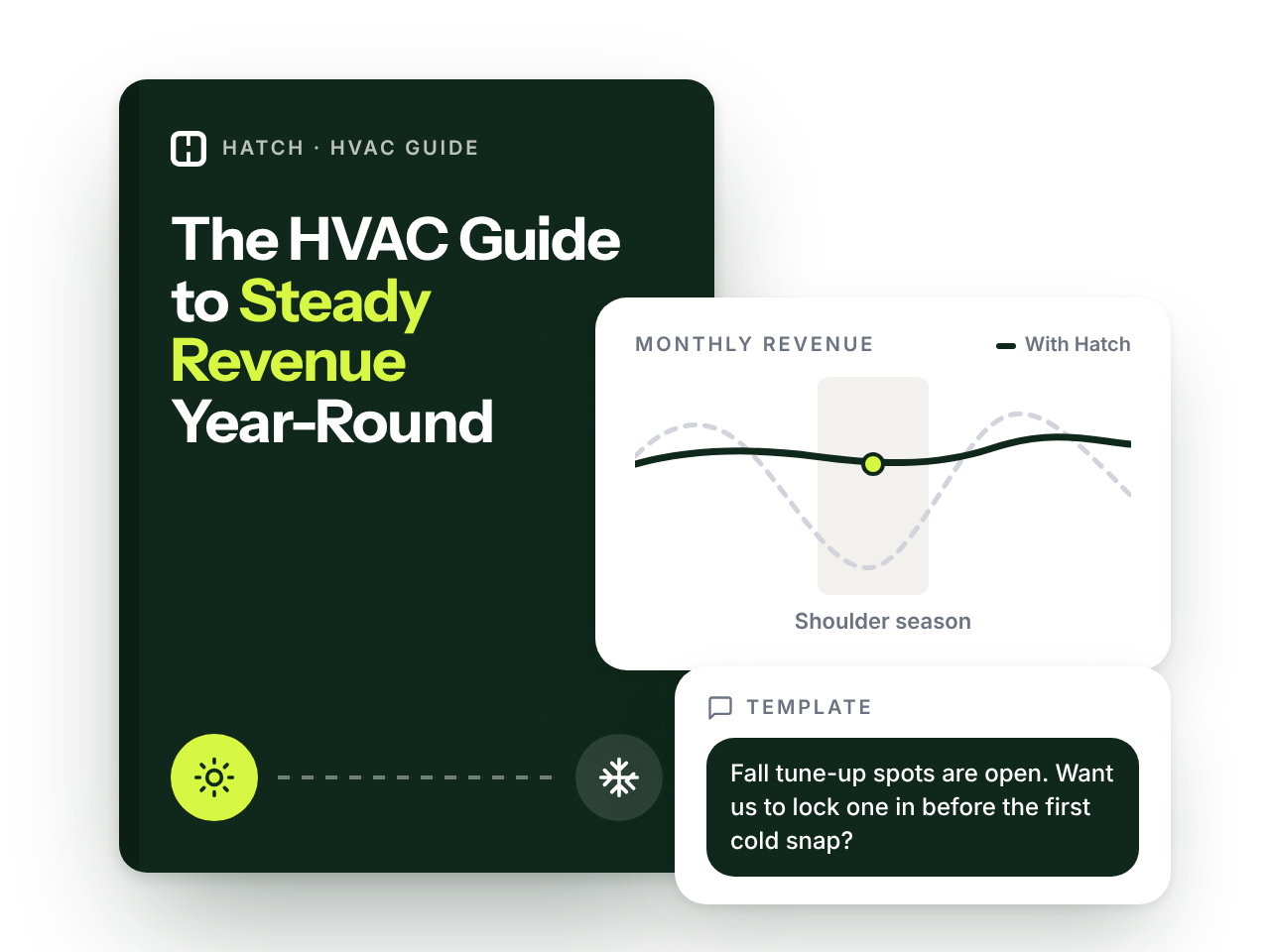
Avoid announcing price increases during your busiest season. Instead, consider communicating changes during shoulder seasons, after completing successful work, or at contract renewal time. The goal is to separate the price conversation from moments of maximum customer stress.
Coordinating your message and customer segments
Inconsistent messaging creates confusion and erodes trust. When your email says one thing, your technician says another, and your office staff offers a third explanation, customers wonder what's really going on.
Creating message consistency
Before announcing any price increase, align everyone who talks to customers:
- Document the key facts: Include new rates, effective dates, specific reasons, what stays the same, and available options.
- Brief your team: Walk through the talking points, provide a written reference, and practice the most likely objections.
- Define escalation paths: Clarify when to involve a manager versus handling customer concerns independently.
The goal is to ensure everyone understands the core message well enough to deliver it in their own words while staying consistent on the facts.
Segmenting and sequencing your outreach
Not every customer should receive the same message. A commercial property manager with five locations and a homeowner with a single annual tune-up have different relationships with your business and different information needs.
If your CRM or service software tracks customer history, you can pull lists based on these criteria.
For important customers or large price changes, consider a sequenced approach: email first to provide documentation, a text reminder 1-2 weeks later where appropriate, and phone follow-up for high-value accounts.
Reinforcing value after the announcement
The conversation doesn't end when you announce the increase. At the first service after the change, technicians should confirm customer satisfaction before leaving, and office staff can follow up with a brief message.
At renewal or repeat service, remind customers what they receive, highlight any improvements since the increase, and ask for feedback. Consistent customer care helps demonstrate the value behind your new rates and maintain long-term customer relationships.
{{in-line-cta}}
How Hatch helps you communicate price increases consistently
Managing price increase communications manually works for small customer bases. When you have hundreds or thousands of customers across different segments, coordinating outreach, answering questions, and following up becomes time-consuming.
Hatch is an AI communications platform built for service businesses. Its AI CSRs help your team manage customer conversations across voice, text, email, and web, from the first inquiry through repeat business.
Here's how Hatch can support your price increase communication strategy:
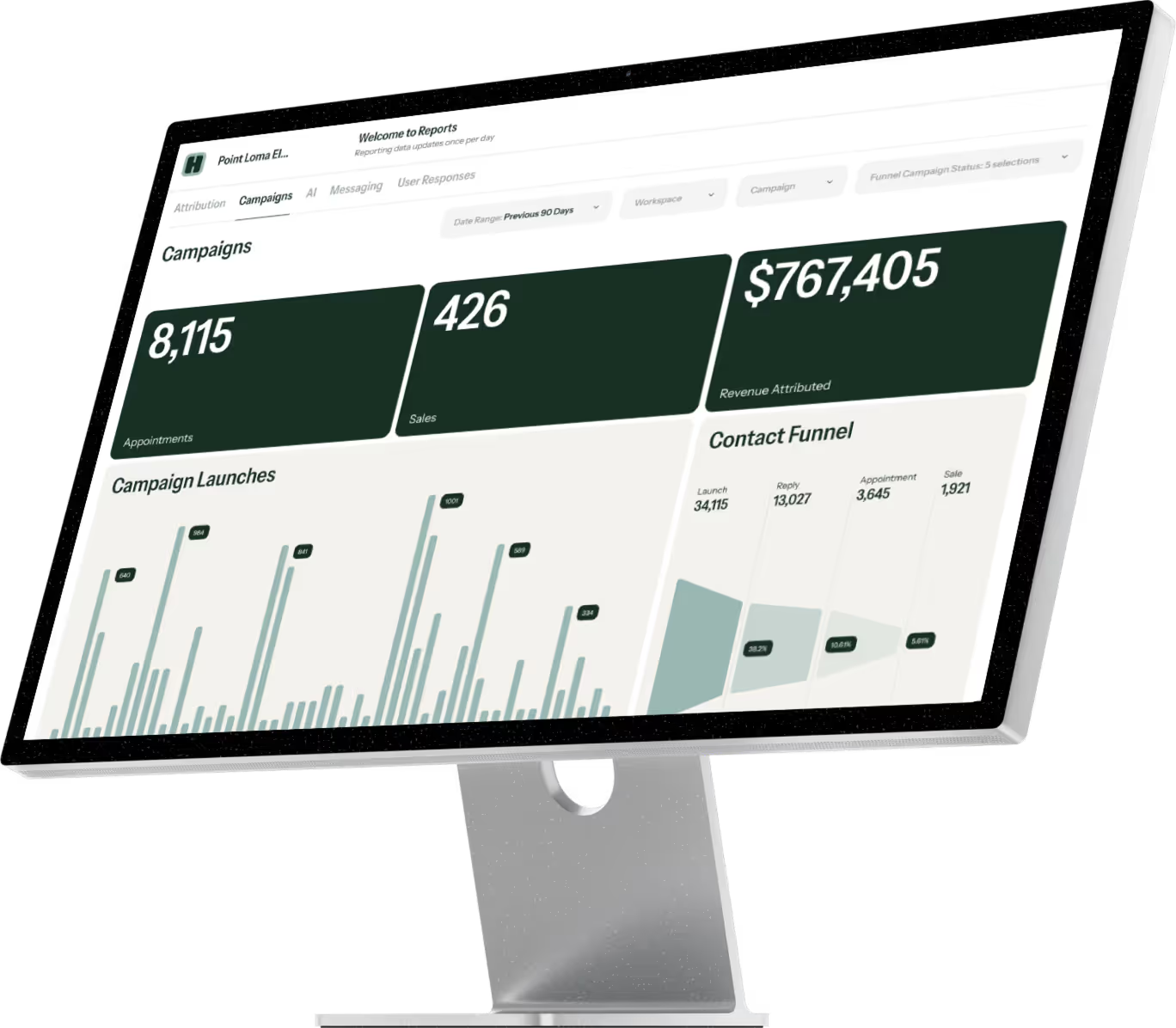
- Coordinated customer outreach: Journey Builder helps automate multi-step outreach, while Data Bridge connects customer information from existing business systems to support targeted communication.
- Consistent written communication: Messaging AI responds to customer questions by text and email, helping your team maintain consistent messaging throughout the price adjustment.
- Responsive phone support: Voice AI can answer incoming customer questions using configured business information and route calls requiring additional assistance to your team.
Your people stay involved in high-value accounts and complex conversations while Hatch supports routine communication, follow-up, and ongoing customer care.
With Hatch, communicating price increases becomes part of a coordinated customer communication strategy that supports exceptional customer experiences and lasting customer relationships.
Ready to simplify customer communications across your HVAC or plumbing business? Schedule a Demo.
The templates, pricing figures, cost increase examples, and recommended notice periods in this article are illustrative and intended for general guidance. Businesses should adapt them to their actual operating costs, service commitments, contractual obligations, and applicable communication requirements.